
The Spritz
A cocktail rooted in Italian culture that’s evolved into a signal for summer. It’s the focus this week as we explore the components that make it work and how to evolve it.

Have a cocktail you’d like me to examine? Leave a comment and I’ll see how I can help.
Enjoy, Zoe
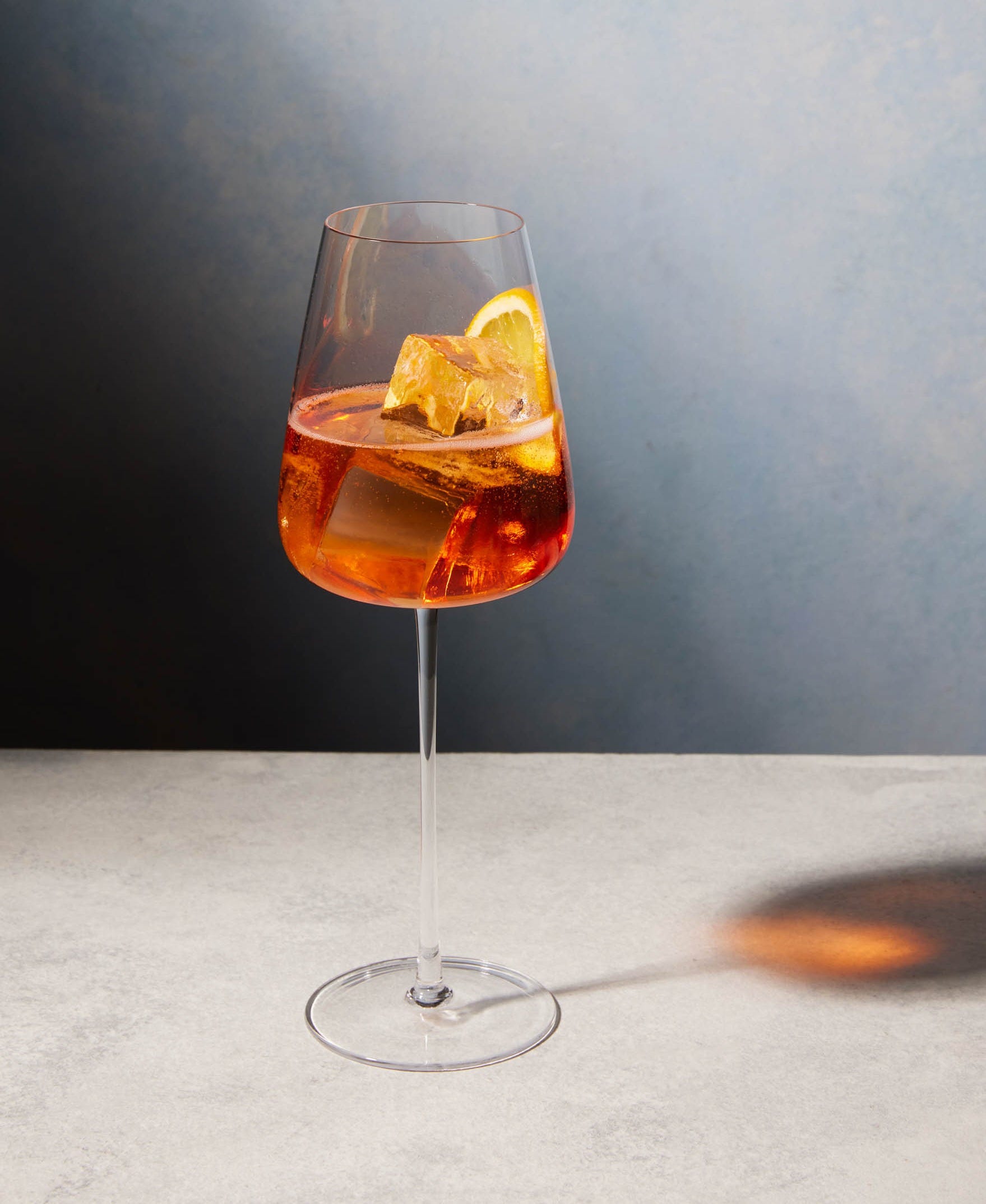
Name: While “Spritz” typically implies a cocktail made with a bitter aperitif, sparkling wine and soda water, the term also shares roots with “Spritzer”, meaning wine and soda. Structurally the Spritz is evolving, especially in the No & Low space. So don’t be surprised if today’s Spritz skips the sparkling wine altogether.
Overview: The version we recognise today dates to 1920s Venice. Aperol later adopted the Spritz as its signature serve and over the past decade or so, pushed this cocktail into the spotlight. It’s become a visual cue for summer, as glasses of glowing amber liquid punctuate al fresco drinking and dining spots. Now its mainstream family is expanding - Hugo, Limoncello and others have joined the stage, feeding into evolving flavour trends.
It’s a high-low cocktail. Served in the pub, at your local restaurant or in cocktail bars of all ranges. If those bars aren’t serving Aperol, they’ll be mixing their own house versions for you.
It’s also high-low in flavour. Sweet in taste yet elevated through the presence of bitterness. Served in a wine glass for a touch of sophistication, though any branding on your glass turns your order into advertisement. See one on a hot day and the invitation to take part in this summer season ritual is almost impossible to resist.
Category: Aperitif.
Ideal Drinking Moment: Casual summer drinking or during aperitivo hour with antipasti to match. This is a communal drink that’s ordered with friends, sip over colourful conversations on terraces, soaking up the atmosphere.
Typical Structure: Two parts bitter aperitif, three parts sparkling wine, one part soda.
Typical Flavour Profile: Subtle fruit, bright citrus, herbaceous notes dropping into woody aromatics. Bitter and sweet are dominant basic tastes, but acid is present. Bubbles are key to lifting the flavour on the palate, keeping the experience light, refreshing and invigorating.
Flavour Intensity: Using Aperol, the flavour intensity sits around 5. Swap for elderflower liqueur and we drop to 4. With a robust amaro such as Cynar, it climbs to 6. A Limoncello spritz would be a 4.5 for me. To meet guest expectations, aiming for that mid-intensity range is wise.

This 1–10 scale reflects overall flavour experience - not just alcohol strength, though that plays a role. The classic Aperol Spritz sits at a 5: a balanced midpoint and a useful benchmark as this series expands.
Notes on Evolving This Cocktail: To evolve the Spritz, think of its structure as a framework: aromatic, bitter-sweet and effervescent.
We can swap ingredients, but each needs to complement the framework or purposefully contrast it - while remaining balanced. Take the Hugo Spritz. It breaks the rule - it’s not bitter. But as elderflower and sparkling wine naturally complement each other, the overall effect is still bright and refreshing. The drink maintains balance, which is why it works.
Looking at the Spritz framework in more detail, we can see how the key components function and find a route into evolving this cocktail:
Bitter: An anchor point that adds complexity and elevation.
Sweet: Provides body and balances the bitter, appealing to the mainstream palate. Be mindful of the overly-sweet, as changing the aperitif in this drink will change the sweetness level. To compensate, you may need to adjust the ratio or use a more acidic sparkling wine.
Acid: Balances the sweet and typically comes from the wine. You might not perceive the Spritz as particularly acidic, but wine-based acidity is what holds this cocktail together. Think of it as the glue in this drink.
Aromatic: Mainly delivered through the aperitif, liqueur or amaro, but enhanced through garnishes, whether fruit or herb. This adds tone and an emotional cue that can be adapted to suit your needs.
Fizz: Adds texture, keeps the drink light and fresh, and helps to lift the aromatics to your nose. Keeping the bubbles intact in this cocktail is vital.
No & Low considerations: The Spritz is one of the most adaptable formats for No & Low drinking. The trick is maintaining the contrast of bitter-sweet, effervescence, and keeping a clear aromatic identity. Start with a product that brings bitterness, herbaceous complexity, and a touch of sweetness. This might be an alcohol-free aperitif-style substitute or a shrub such as Botivo or Midi Ruby Rush - two of my personal favourites.
Vinegar or verjus based shrubs can work well in these drinks, but be conscious of their acidity. A little acid will help imitate the effect of wine - our glue in this cocktail, but too much will dominate the aroma and palate. I typically reduce the suggested dose to avoid a ‘vinegar nose’ or switch the wine to a sparkling tea and soda.
You must keep the bubbles. You can scale back on sparkling wine, increase the soda, or use lighter low and no-proof wines. Sparkling teas work well as they bring structure to your cocktail through tannins. Again, be mindful of acid as some of these products are fermented into kombucha. If using a shrub and kombucha, make sure that acidic note doesn't overwhelm.
Final Thoughts: The Spritz isn’t a trending drink in the sense of being newly “cool.” Instead, it trends by nature; its popularity is driven by the seasons. It returns each summer because it fits the season. It’s familiar, reliable but also has the flex to be reinterpreted.
If you’re working on a new iteration, think about what your venue stands for. Are you feeding the crowd, or expressing your identity through flavour? Hopefully a little of both. A Spritz can be commercial, but it can also be clever.